
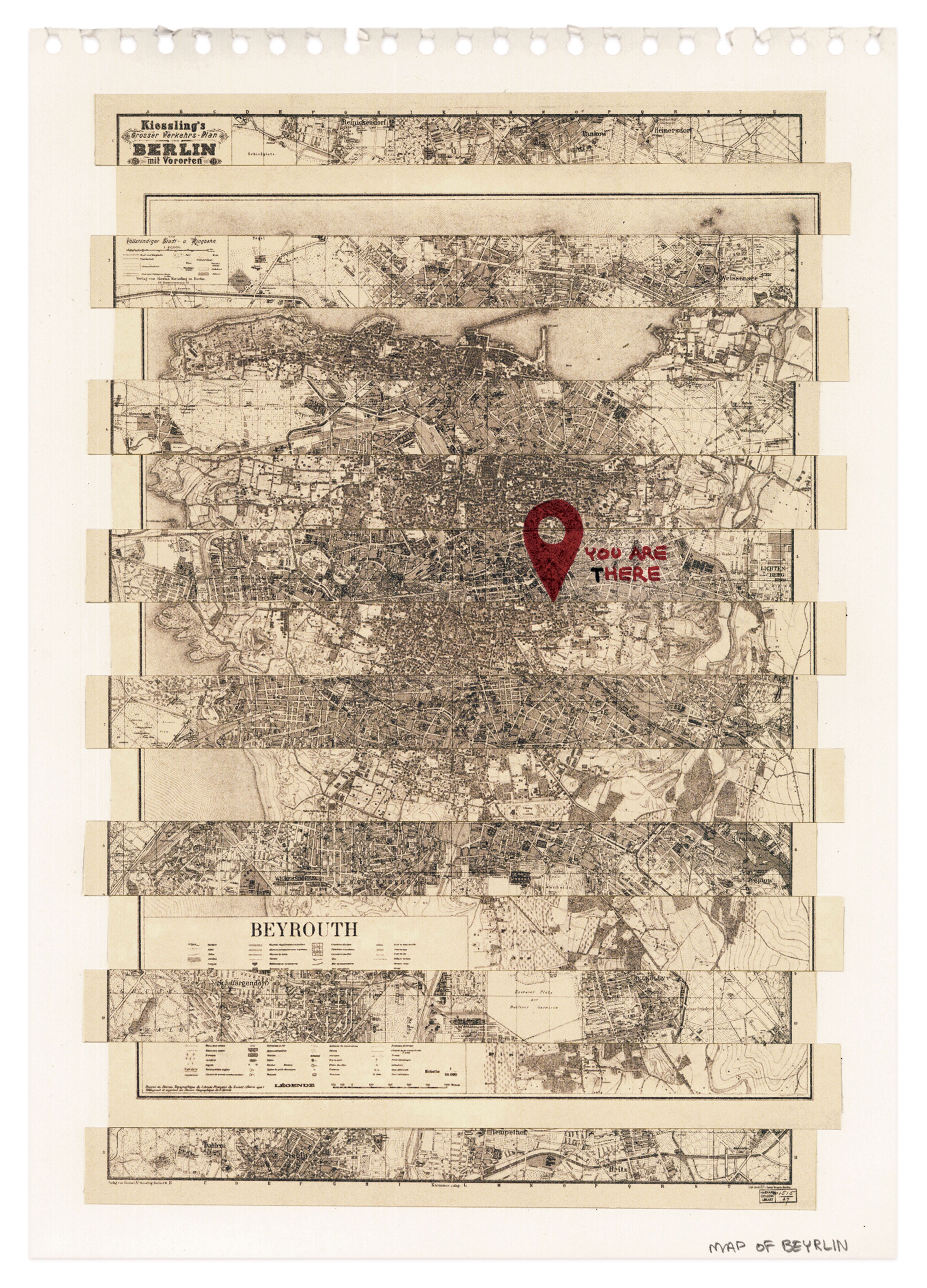
YOU ARE (T)HERE
Issue 002

First things first: a big, warm, friendly hug that’s tight enough to be slightly suffocating, and a huge thank you to everyone who has joined me on this new journey and signed up for this newsletter, especially the paid subscribers and founding members. Your support in such a short time has been a real shot of encouragement, so thanks for reading, and I’m glad you survived that hug.
Last Saturday, I strolled through Schöneberg’s Winterfeldtplatz market, savoring the sun and my weekly Lachsbrötchen, with all the Bitteschöns and Dankeschöns politely wrapping the transaction, while scrolling through Israel’s horrifying live bombardments over Beirut.
This, minus the meth empire and shaved head, is about as close as I’ll ever get to Walter White’s double life in Breaking Bad.
I realized that this moment fairly captures my mental duality over the past three years: my body roams comfortably around Berlin while my heart and thoughts remain anchored, wrestling with the chaos of Beirut.
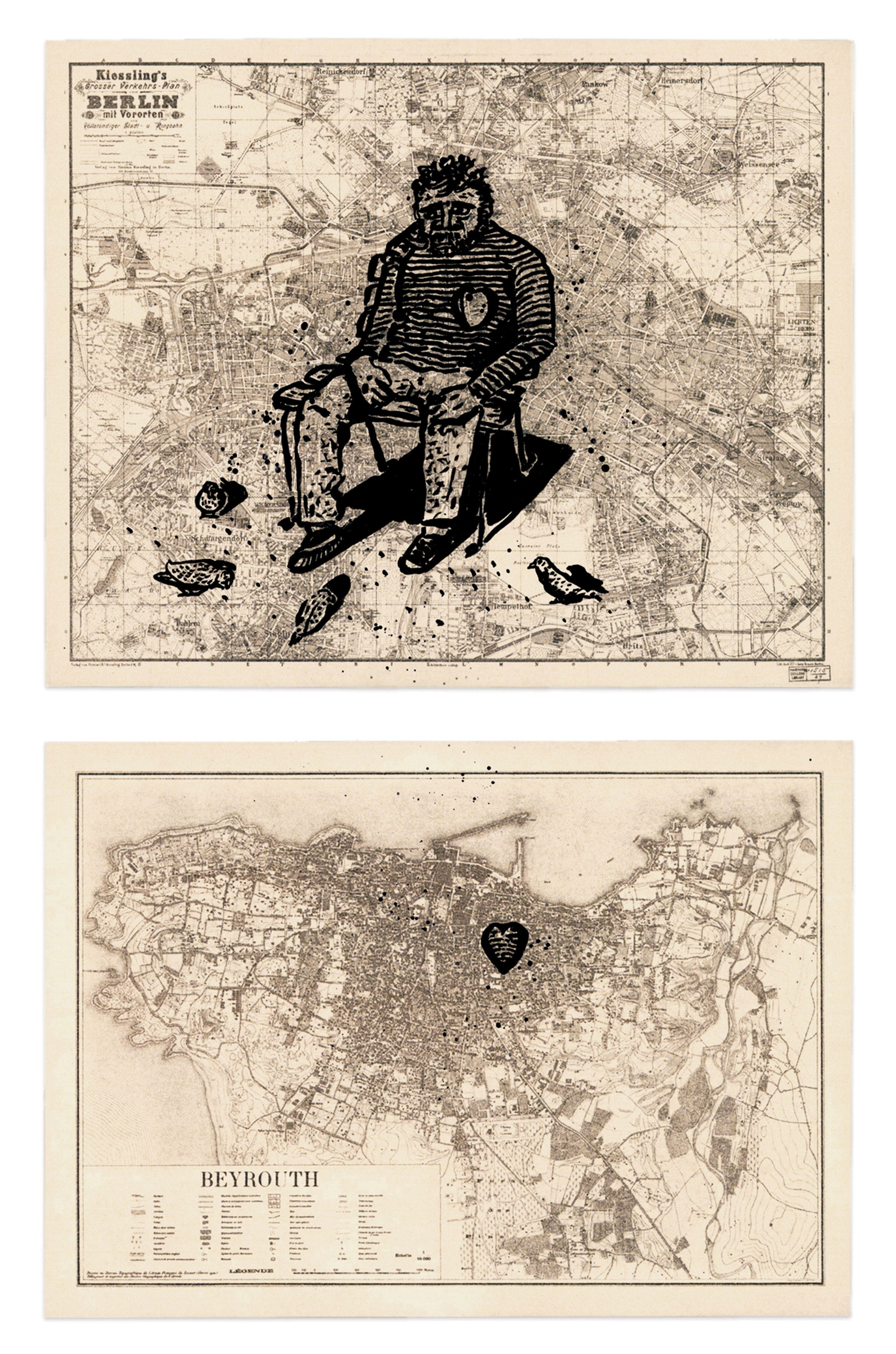
I left Beirut in despair, dragging along anger, hatred, and a bottomless pit of sadness toward the place I once called home—but I’ll save that story for a rainy day. That departure felt like a toxic breakup with no closure, and naturally, my first instinct was to put as much distance as possible between myself and everything (and everyone) tied to it.
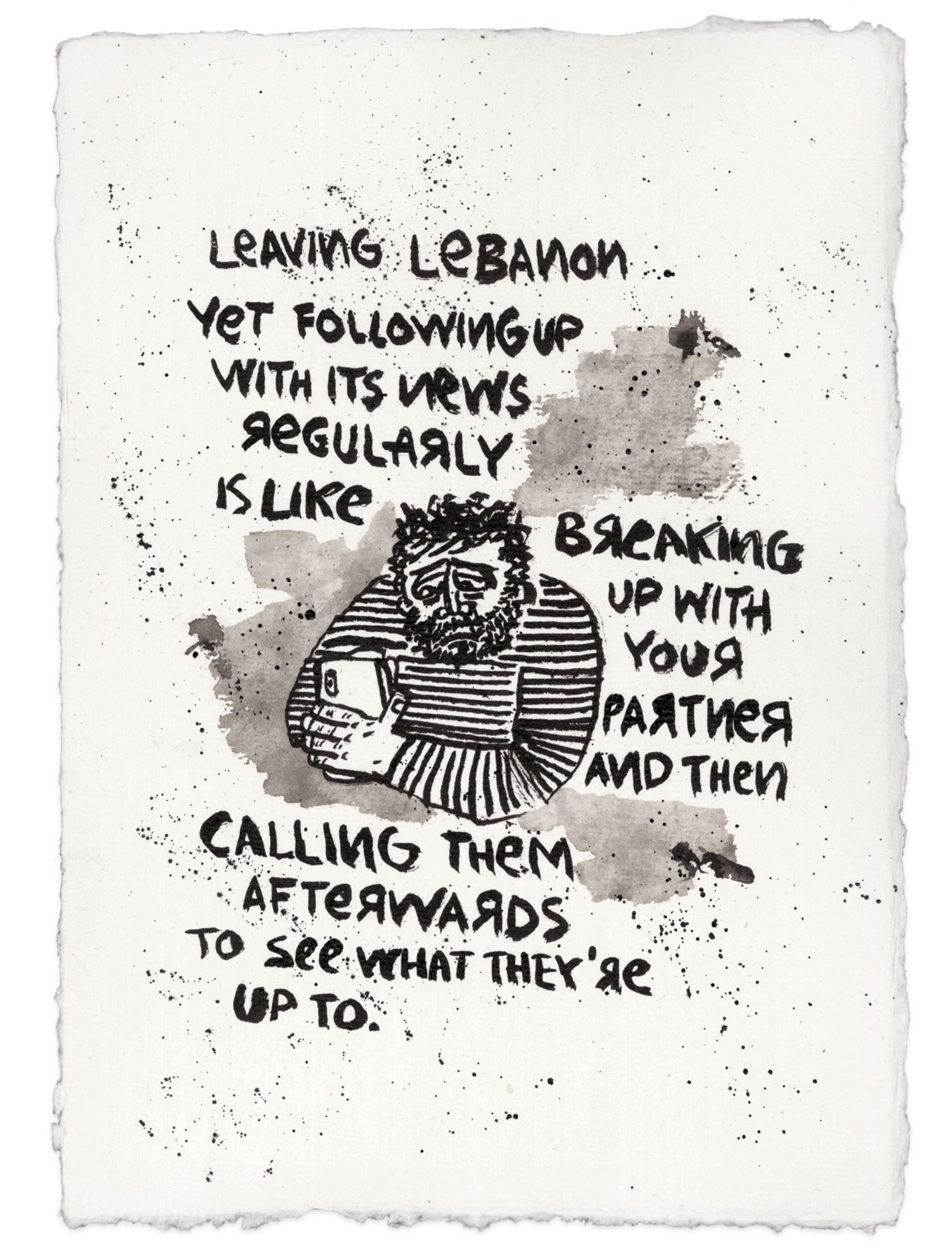
This physical and emotional distance worked wonders at first, largely because I was distracted by the novelty of it all—navigating German bureaucracy, hunting for a flat, mastering grocery shopping without getting yelled at, diving into dating life or as they call it here, polyamory, finding my go-to bar, and getting high on the thrill of public transportation, among other delights.
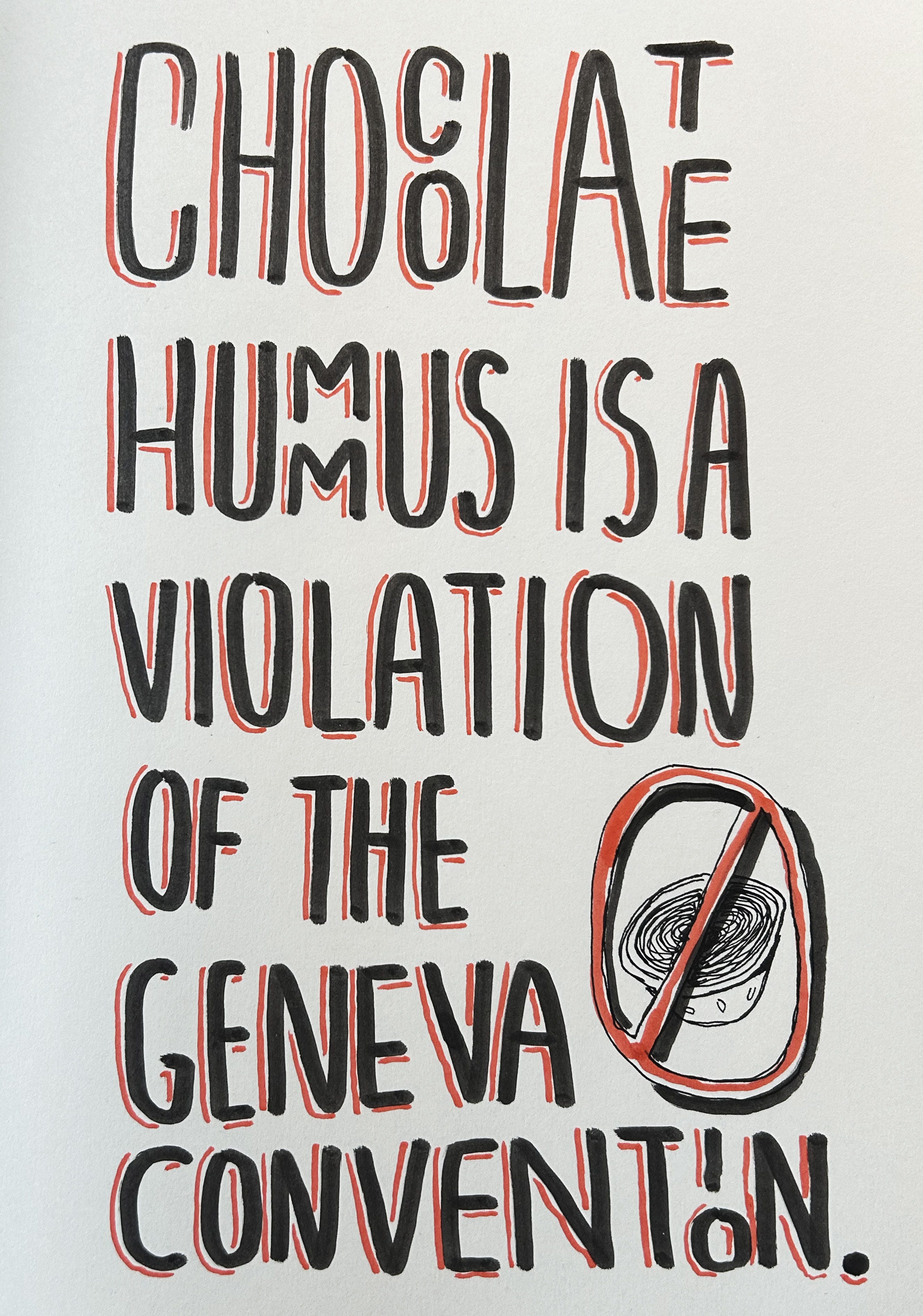
It was all fulfilling and uplifting, until I woke up one day craving hummus and fattoush. Not the chocolate-flavored hummus they sell at Lidl, which, if you ask me, violates the Geneva Convention, nor the fattoush made with iceberg and corn—another gastronomical atrocity. I longed for the homemade hummus my family used to make with just the right touch of garlic, and the best fattoush I've ever had at a Lebanese restaurant that shall remain unnamed to avoid hipsterizing and touristifying the place.
The hummus recipe was ingrained in my memory, but for the fattoush, I had to navigate my phone gallery, scrolling back through the years to that visit to the aforementioned restaurant where I snapped a picture of the fattoush plate. I wanted to study the balance of its ingredients, the amount of sumac, and the color of the dressing in order to replicate it accurately—with fewer fresh, EU-imported vegetables.
Anyway, before this turns into a culinary blog post, let me clarify: as I scrolled through my phone to find that damn fattoush plate, I stumbled upon old pictures of familiar places and faces that threw me right back down the rabbit hole. Eventually, my phone gallery led me to Instagram, which then took me to Twitter (I shall continue to resist calling it X), and from there, I ended up on YouTube, specifically Jad Ghosn’s channel. In a split second, I was mentally transported back to the center of my apartment in Jal el Dib. Now, I don’t intend to blame Mr. Ghosn, his Youtube channel, or the fattoush for that. The truth is, my connection to Lebanon was bound to surface again one way or another; it just happened through the fattoush. After all, if you ask me, Lebanese cuisine is the one thing we got right in this country.
As I reflect on this, I’m living as a man with two minds—and this is not a metaphor. I am literally experiencing life from two different perspectives, mindsets, and sets of values. I’m embracing my new home, learning its language, exploring its restaurants, chilling in its parks, attending concerts and exhibitions, signing up for museum newsletters, cycling in bike lanes, learning about CO₂ emissions and green energy, purchasing Bio, and meeting multinationals with a totally foreign agenda of topics and interests in their conversations—some of whom don’t even know where Beirut is located. All the while, I’m navigating the deteriorating financial crisis in Lebanon, enduring the endless traffic jams of Beirut, witnessing crimes that go unpunished, and grappling with the lack of electricity and clean water. This cultural confusion—or should I say mental rift—reached its climax after October 7.
You see, in my first mind, Israel, from personal experience, is an aggressor—an occupying force that has been violating Lebanese sovereignty and indiscriminately bombing civilians and entire areas and infrastructure since I was born. Actions that have left me with trauma and recurring nightmares of Israeli soldiers breaking into our home.
In my second mind, however, Israel is viewed as a victim by most of the people in my community. And any attempt to communicate the opposite must be done through a filter: If an Arab in Europe claims that Israel is an aggressor guilty of war crimes under international law, that statement is seen as biased and anti-Semitic, representing only one extreme point of view. Yet, if an Arab in Europe quotes an Israeli journalist or historian who says that Israel is an aggressor guilty of war crimes under international law, well, that statement may still raise eyebrows—but at least it allows you to be heard until the end. Since October 7, I’ve been navigating these filters to express my views and opinions. It’s been hectic and depressing.
To provide a clearer picture of the community surrounding my second mind: Moshe Dayan, the Israeli politician and military commander on the Jerusalem front in 1948, once said, “We will never forgive the Arabs for making us kill their children.” That was not a sarcastic statement, the guy was dead serious. It's worth noting that, to this day, many Western governments seem to resonate more with this sentiment than with the grief of Arabs mourning their own lost children.
Only when they see strategic and financial profit in it, will the “international community” rehumanize Arabs. Until then, keep checking on your people back home, but bite your tongue when you're asked about them here.
Free subscribers, this is where we part ways. I hope you enjoyed the read! Paid subscribers, indulge me with one last thought: when people ask me, “Is there anything I can do?”
Keep reading with a 7-day free trial
Subscribe to Private in Public to keep reading this post and get 7 days of free access to the full post archives.